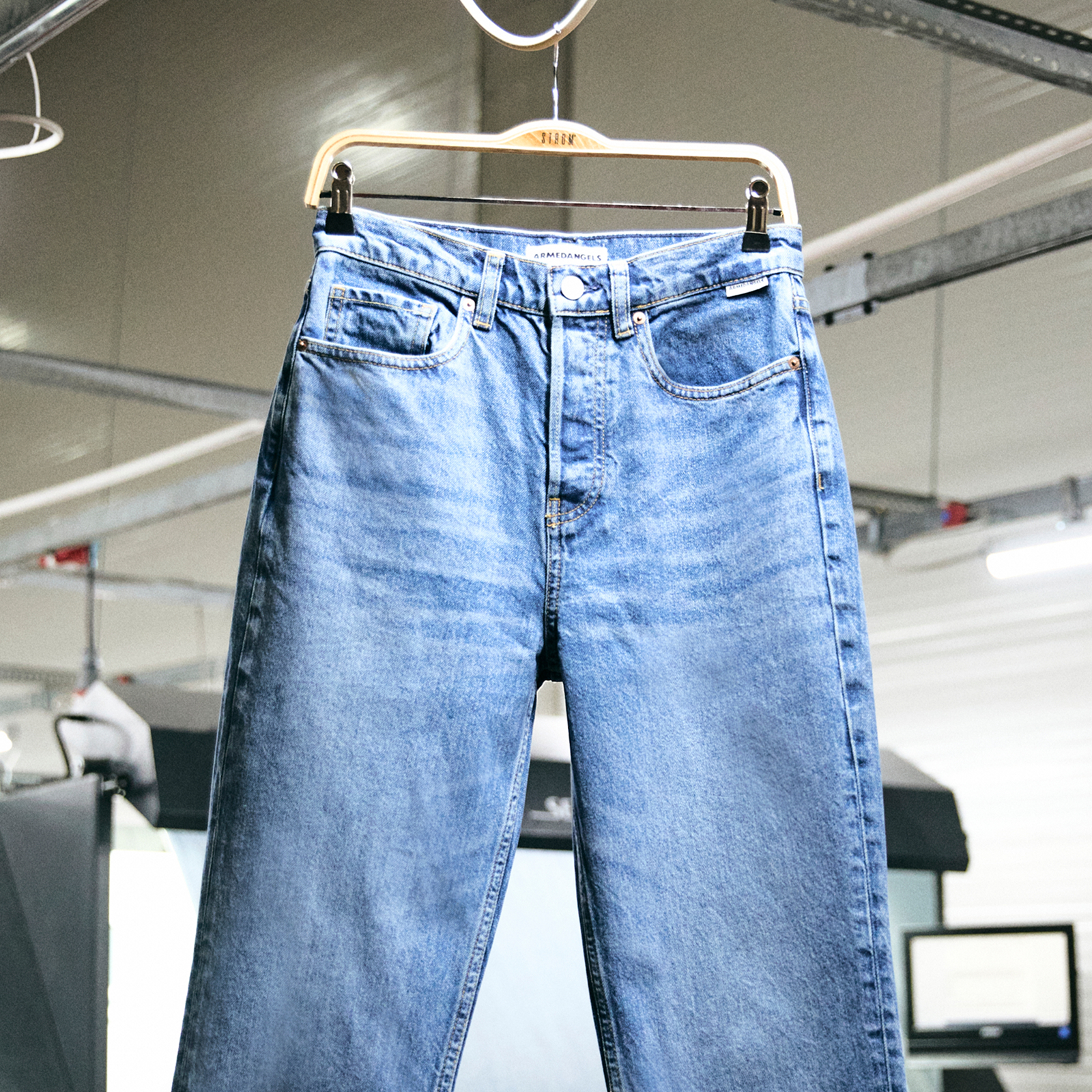
TRACEABILITY & TRANSPARENCY
We believe you have a right to know where your clothes come from and who made them. Every garment has a story, and transparency is how we tell it. This pillar is about opening up our supply chain, building trust with our partners, and giving you the information you need to make informed choices. Because real change requires visibility at every step.
The fashion industry operates in shadows. Without transparency, accountability disappears, and exploitation and environmental harm go unchecked. New regulations are pushing change, but the law is the minimum and we aim higher.
Through supply chain mapping, Digital Product Passports, and strong partnerships built on trust, we’re creating a system where every garment’s journey is visible and understood. Products with stories. Products with accountability. Products you can trust.
2025 SNAPSHOT
partners joined us for a digital supplier summit
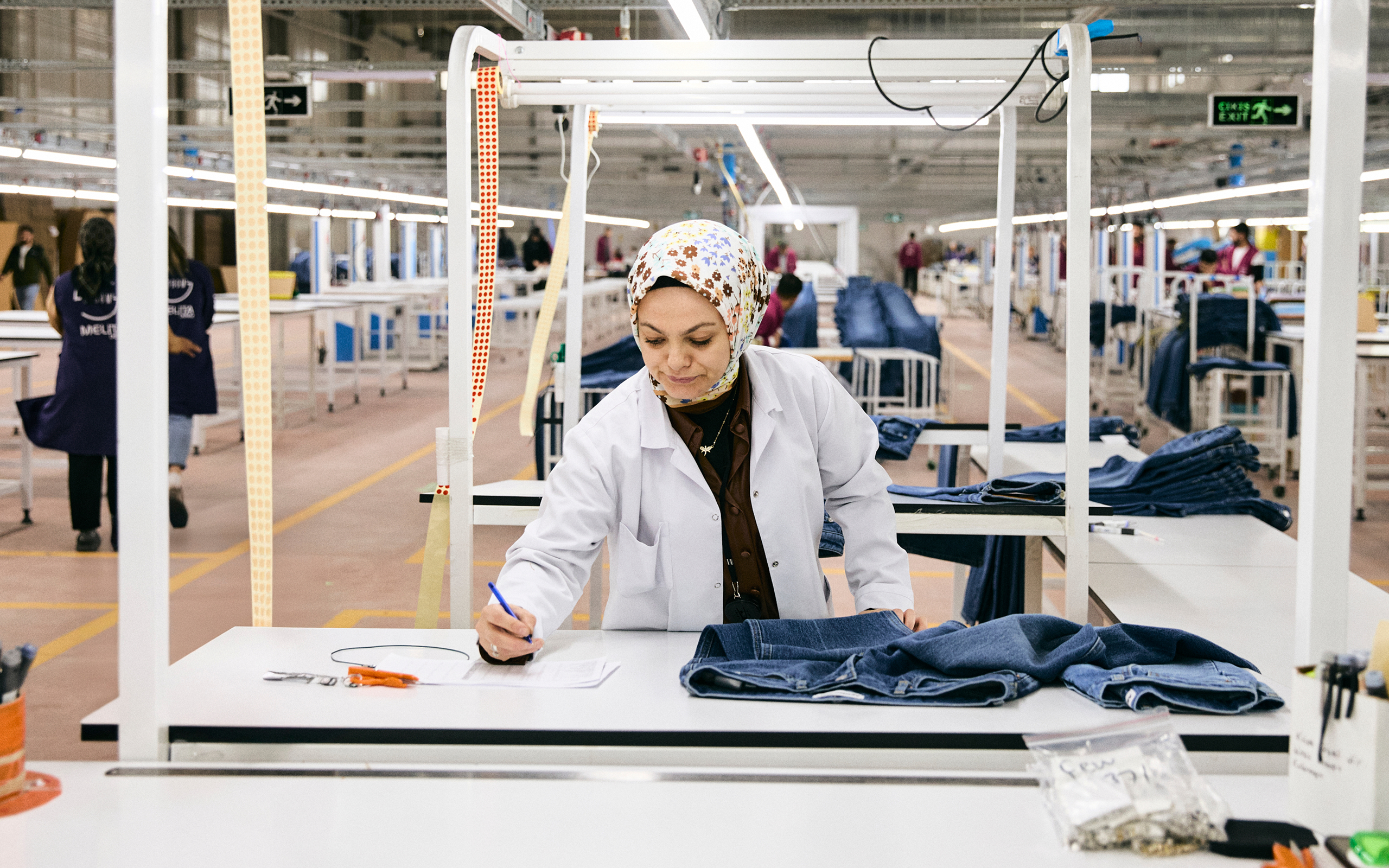
supplier facilities visited across Tunisia, Turkey, Portugal, and Romania
of our products had fully transparent supply chains (from Tier 1 to Tier 4)
of the supplier responses in Better Buying Survey said we are a preferred partner
garments have Digital Product Passport information
OUR GOALS
Our aim is to know our supply chain partners from raw material to finished garment, sharing that journey honestly and openly with our customers. We track this through one long-term Moonshot vision, with clear measurable targets from 2025-2027. Here is our status in 2025.
05 Building a transparent supply chain
Our vision is to have full transparency across our entire supply chain with every process, every material, every partner — visible, verified, and accountable.
THE WORK BEHIND OUR IMPACT
Read on to explore the strategies, projects and partnerships behind our progress.
GET TO KNOW OUR SUPPLY CHAIN
Understanding Tiers 1-4
Ever wondered where your clothes actually come from? Not just which factory, but the whole journey before that garment reached the sewing floor, and of course, before it reaches your wardrobe?
Your garment doesn’t start at a factory. It starts with cotton growing in a field, wool sheared from sheep who have been respected, from wood pulp or textile waste waiting for a second life. From there, it travels through multiple stages, across different countries, facilities, interacting with many different hands, before it becomes the piece you’re wearing.
Each tier involves different facilities, different countries, and different risks. Understanding this complexity is the foundation of real transparency.
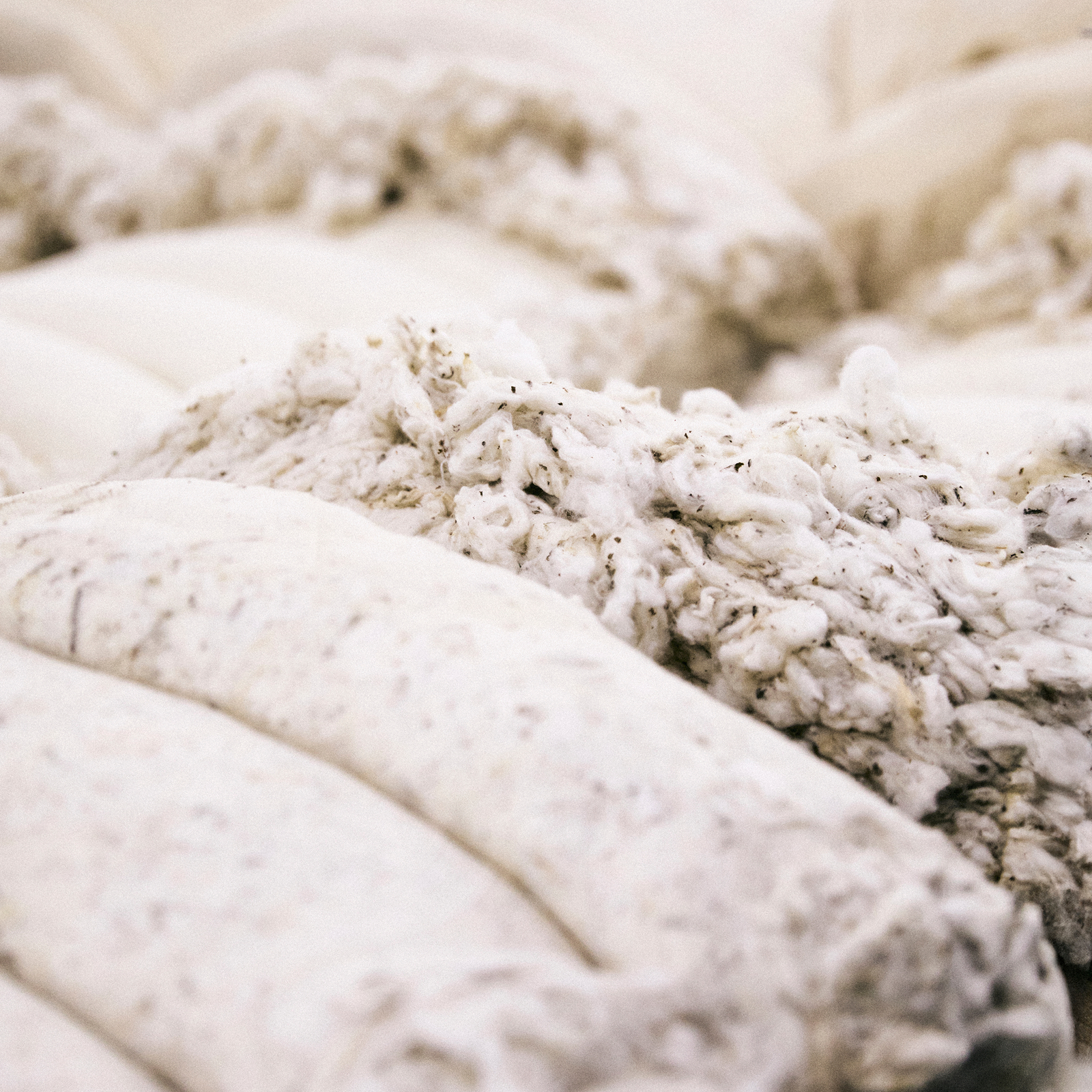

TIER 4 — Raw Material Production
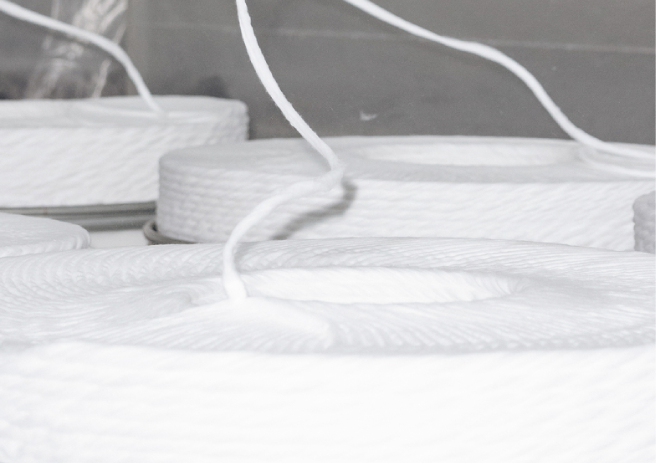

TIER 3 — Raw Material Processing
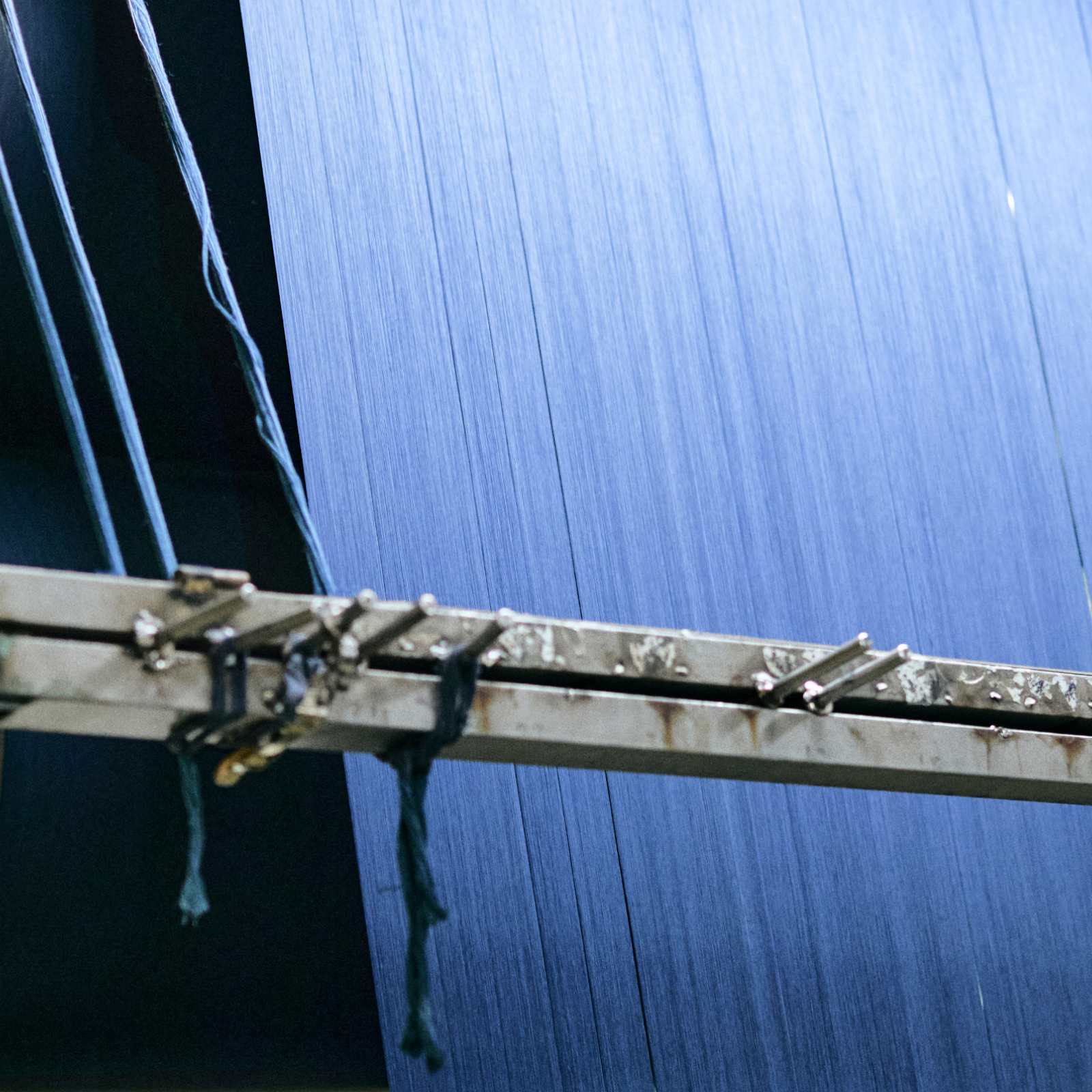

TIER 2 — Material Production
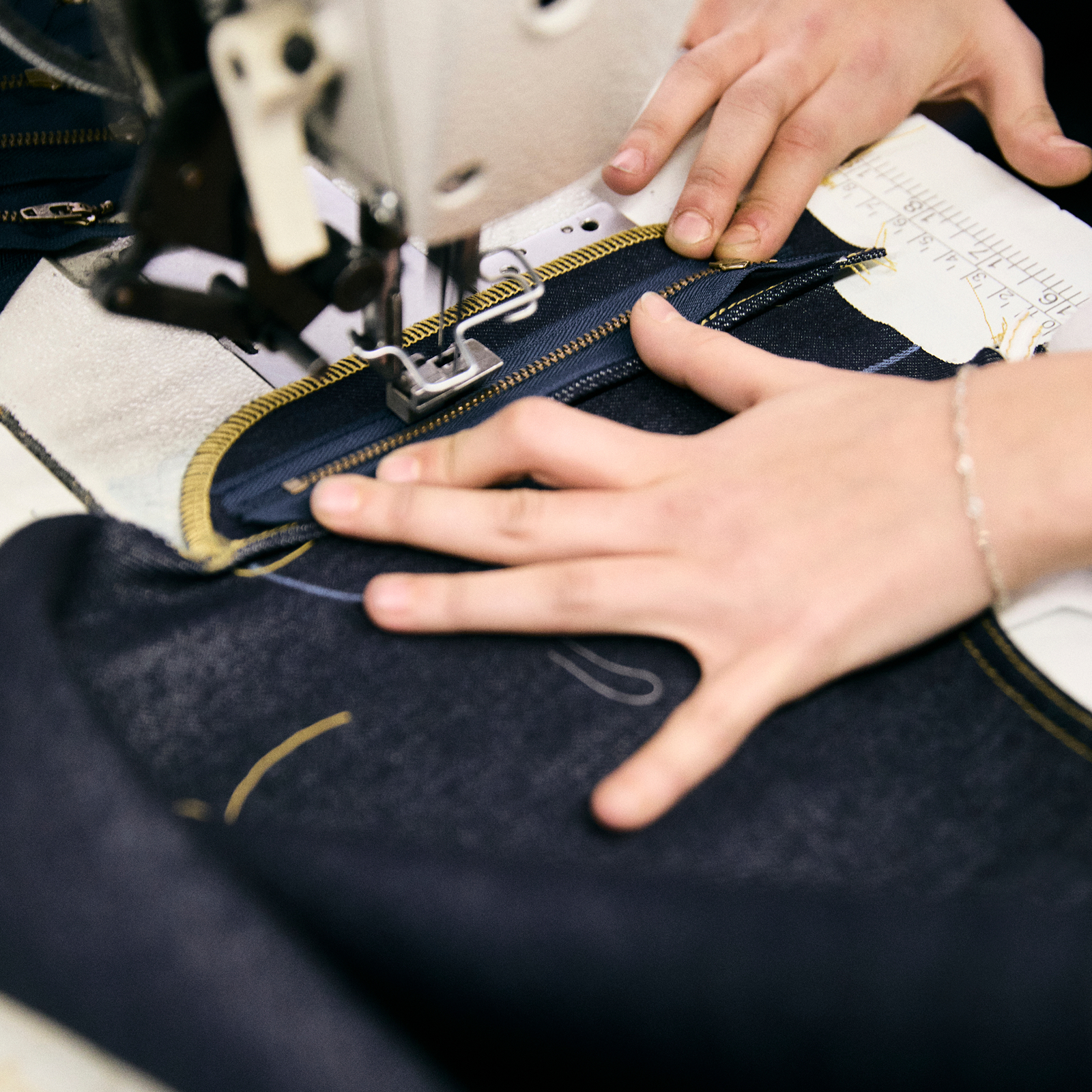

TIER 1 — Product Manufacturing
OUR APPROACH TO SUPPLY CHAIN DUE DILIGENCE
Our approach to managing risks and opportunities within our supply chain is simple: the minimum standards and laws on human rights and environmental due diligence are the lowest bars and we aim higher. This includes:
- We have an advanced program which follows the OECD and UN guidelines which sets standards, identifies and mitigates risks and support strong relationships with our suppliers
- Our Vendor Manual outlines mandatory requirements for all suppliers
- We use risk scoping and assessment to identify potential issues in different countries and production locations
This approach enables us to proactively prevent and address potential issues. And if we find problems, we act.
But due diligence isn’t only about compliance, but about the relationships with suppliers. And this remains our focus as we work to navigate the ever evolving and challenging world of globalised supply chains. We don’t claim to have it all figured out. But we’re committed to transparency, to improvement, and to holding ourselves accountable through these annual reports.
OUR SUPPLY CHAIN
OUR SUPPLY CHAIN
Portugal
Our supply chain here includes 8 product categories, 8 manufacturers and its 27 subcontractors, 13 nominated fabric and yarn suppliers and 1 material source.
For more detailed information on our Tier 1 Suppliers, see Social Impact chapter.
See the detail
Türkiye
Our supply chain here includes and 4 product categories, 7 manufacturers and its 10 subcontractors, 23 nominated fabric and yarn suppliers and 2 material sources.
For more detailed information on our Tier 1 Suppliers, see Social Impact chapter.
see the detail
Tunisia
Our supply chain here includes 1 product category, 1 manufacturer and its 2 subcontractors and 1 nominated fabric and yarn supplier.
For more detailed information on our Tier 1 Suppliers, see Social Impact chapter.
See the detail
Romania
Our supply chain here includes 2 product categories and 1 manufacturer and its 1 subcontractor.
For more detailed information on our Tier 1 Suppliers, see Social Impact chapter.
See the detail
Germany
Our supply chain here includes 1 product category and 1 manufacturer and its 1 subcontractor.
For more detailed information on our Tier 1 Suppliers, see Social Impact chapter.
See the detail
Italy
Our supply chain here includes 7 nominated fabric and yarn suppliers and 2 material sources.
For more detailed information on our Tier 1 Suppliers, see Social Impact chapter.
See the detail
France
Our supply chain here includes 1 nominated fabric and yarn supplier and 2 material sources.
For more detailed information on our Tier 1 Suppliers, see Social Impact chapter.
See the detail
Spain
Our supply chain here includes 1 nominated fabric and yarn supplier.
See the detail
Morocco
Our supply chain here includes 4 subcontractors (parent company based in Portugal) and 1 nominated fabric and yarn supplier.
For more detailed information on our Tier 1 Suppliers, see Social Impact chapter.
See the detail
Austria
Our supply chain here includes 4 material sources.
For more detailed information on our Tier 1 Suppliers, see Social Impact chapter.
See the detail
Rest of the world
Our supply chain here includes 2 nominated fabric and yarn suppliers and 9 countries with 8 material sources.
See the detail






SUPPLIER COMMUNICATION AND ENGAGEMENT
Our approach to supplier communication is the same as any conversation – the best ones are two-way. We believe in suppliers having as much opportunity to tell us how to improve, as we do to them. This type of two-way system builds mutual trust – and everyone knows how essential that is in any relationship. But how does it work in practice?
US TO SUPPLIERS
SUPPLIERS TO US
COLLABORATIVE SUPPLIER VISITS
What if brands stopped competing and started collaborating?
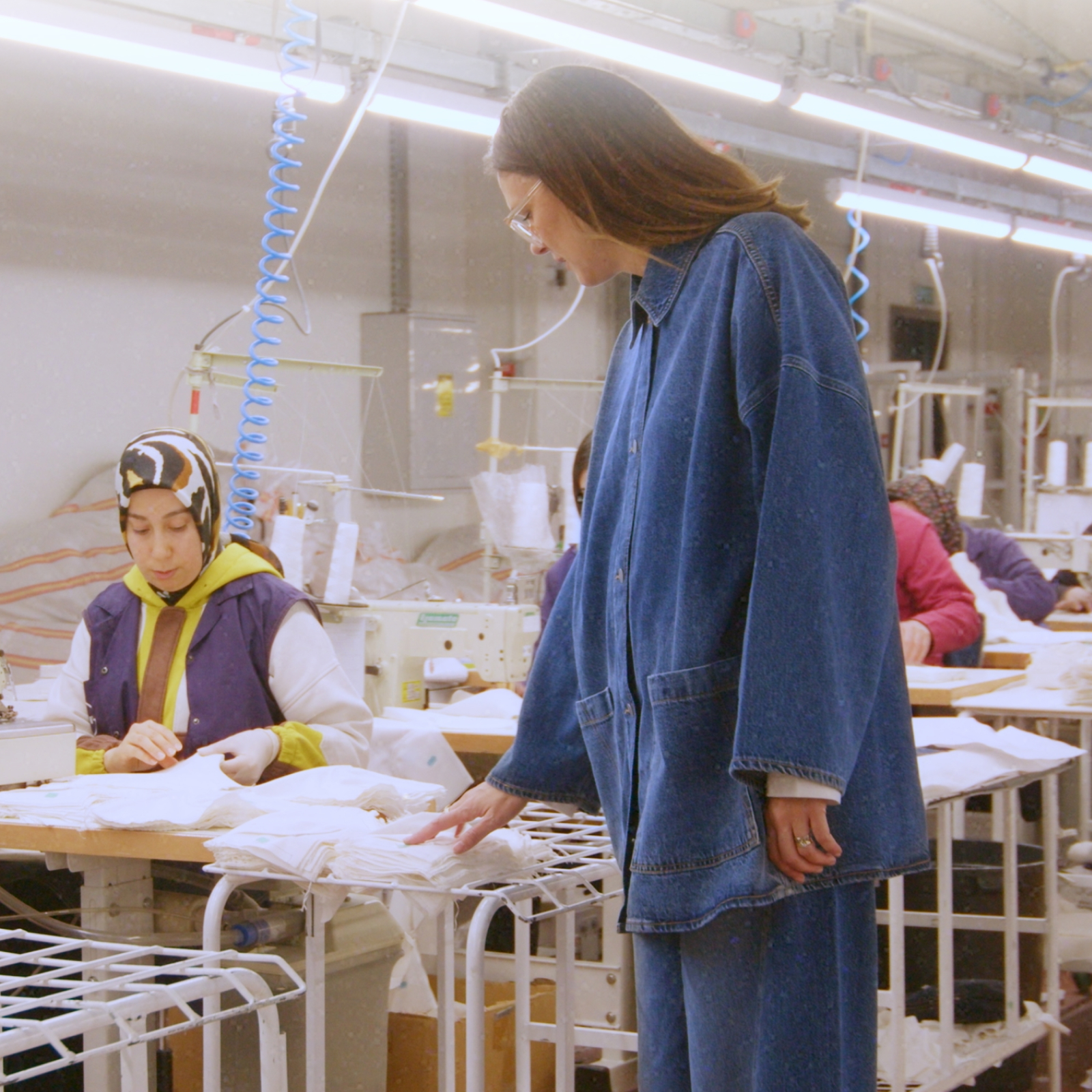
In November 2025, we visited our Tunisian denim supplier alongside Nudie Jeans and Kuyichi. One comprehensive visit instead of three separate ones, which meant less duplication for the factory and a chance for us to learn from each other’s approaches. While we often share information with fellow brands after visits, going together was a new action for 2025.
Factories deal with endless duplicate requests from different customers asking for the same information. By coordinating together, we could share the assessment work, support each other through the process, and gather better insights. We conducted a gender survey with help from an Arabic-speaking intern, revealing perspectives about women workers’ experiences in male – dominated departments that we wouldn’t have uncovered alone.
One visit. Three brands. Shared learning. We were really happy to partner with Nudie and Kuyichi and look forward to more opportunities like this in 2026.
DIGITAL PRODUCT PASSPORT
A journey in transparency
Every garment has a story. The question is: who is willing to tell it?
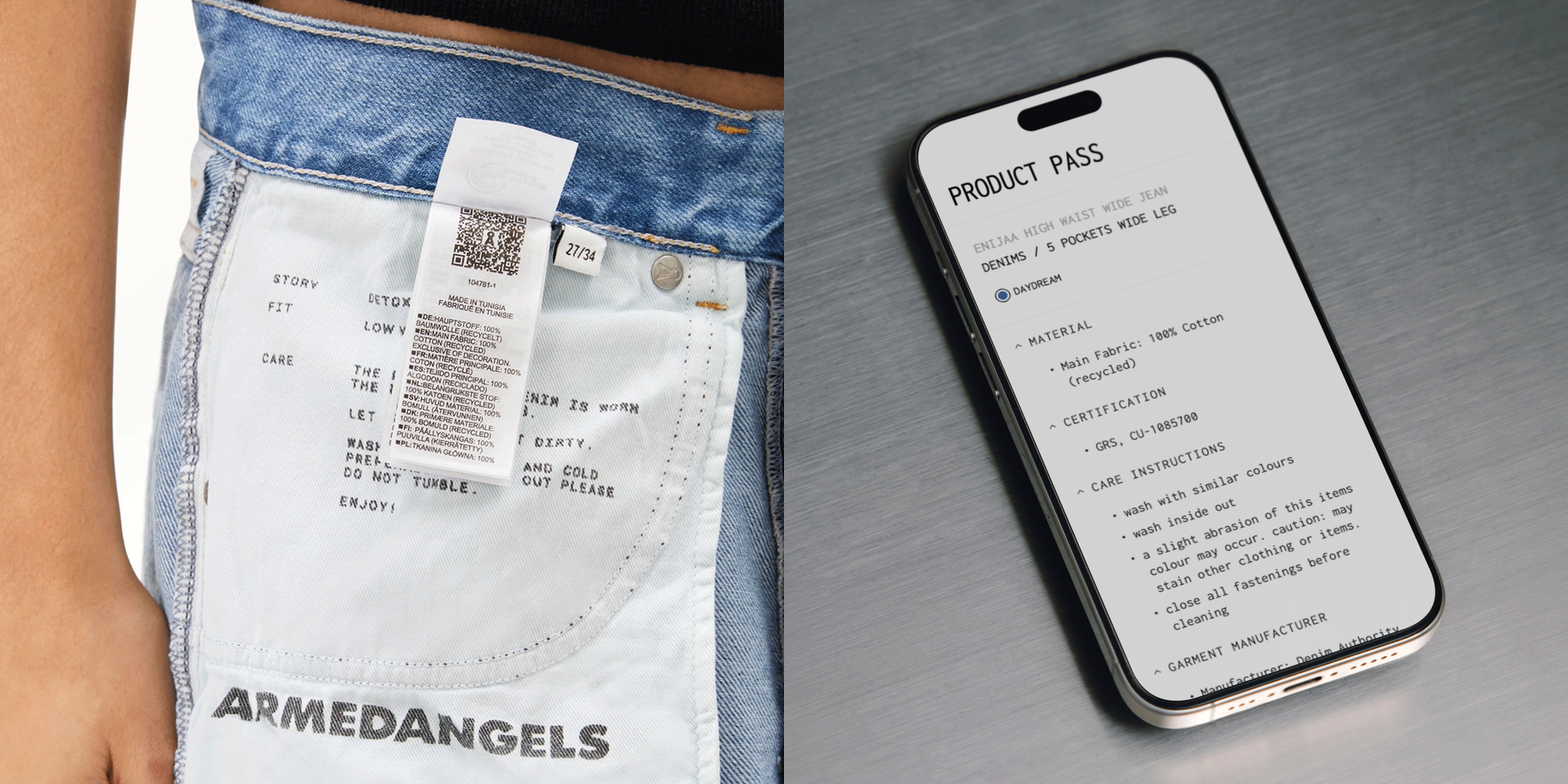
A Digital Product Passport (DPP) aims to tell that story. It is essentially a digital ID card for every garment. Scan the QR code on a your garment and instantly get access to data: the manufacturing partners, where the fabric came from, the material info, the environmental impact, care tips to make it last longer, and what to do at end-of-life.
The EU’s Ecodesign for Sustainable Products Regulation (ESPR) will require all textile brands selling in Europe to have DPPs by mid-2027. It’s becoming law to ensure transparency and stop greenwashing. Many brands are waiting until it’s legally required. We launched ours in Spring 2025.
WHAT YOU CAN SEE NOW (SPRING 2025 ONWARDS)
Every ARMEDANGELS garment from Spring 2025 has a QR code. One scan reveals:
- Composition
- Certifications
- Manufacturer + all their Subcontractors
- Material Supplier
- Production country
- Care instructions
- Recycled content
- Recyclability
- Presence of microfibers
WHAT WE DIDN’T ACHIEVE (AND WHY)
We’re proud of launching DPPs in 2025, but to be fully transparent, we had bigger plans. We wanted fabric supplier information, individual carbon footprints, and circular design details all available at launch. We didn’t get there. Here’s why.
REDUCING SUPPLIER RISK
Creating a More Stable and Responsible Business Model
As the industry faces ongoing volatility in demand, material availability, and labor conditions, responsible production planning has become a core part of how we protect workers’ rights, support suppliers with their business, and strengthen resilience across our supply chain. This is something we deepened in 2025.
Aligning Production with Supplier Capacity
Early Material Commitments
Smoother Workflows through Monthly Drops