PRODUCTS OF TOMORROW
We are in the business of creating clothes, but not just any clothes. Every garment we design carries a responsibility, one we approach with purpose and progress. From design to materials, this pillar is about redefining all aspects of our products: how they’re made, how many are made, what they’re made from, and why.
Fashion’s biggest impact starts with the garments themselves. Every piece carries a footprint: raw material extraction, energy and water-intensive production, use phase, and end-of-life. Design decisions made at the drawing board shape a garment’s entire lifecycle.
Through circular design principles, innovative materials, and strategic choices, we’re building products designed for a better future. Products that last. Products that return. Products of tomorrow.
2025 SNAPSHOT
OF OUR FIBERS ARE PREFERRED
styles assessed against the Design Principles for Circularity
of 2026 styles already designed to flow into higher-value circular pathways
team members trained on circularity and communications
OUR GOALS
Our aim is for every product to be made from high-quality lower-impact materials, designed for recycling and longevity, and produced without excess. We track this through three long-term Moonshot visions, with clear measurable targets from 2025-2027. Here is our status in 2025.
01 DESIGNING FOR CIRCULARITY
Our vision is for all products to be designed for recycling and longevity, using circular principles to guide design and creation.
02 HIGH-QUALITY, LOWER FOOTPRINT
Our vision is for 100% of our products to be made from high-quality materials with a low environmental footprint, prioritizing natural over fossil-based fibers.
03 Reducing wasteful practices
Our vision is to eliminate overproduction.
THE WORK BEHIND OUR IMPACT
Read on to explore the strategies, projects and partnerships behind our progress.
What we make our clothes from is one of the most direct levers for sustainability we have. The fiber, the type, the origin — these choices shape the environmental and social impact of every garment we produce.
Our approach is guided by a simple ambition: high-quality materials with a low impact, prioritising natural and recycled fibers over fossil-based ones. This sits at the heart of our Products of Tomorrow pillar, and informs every sourcing decision we make.
Our Material Guide is how we put this into practice. It defines our principles, sets requirements, and keeps our team and suppliers aligned on what we use and why.
OUR MATERIAL GUIDE

MEET OUR MATERIALS
PLANT FIBERS
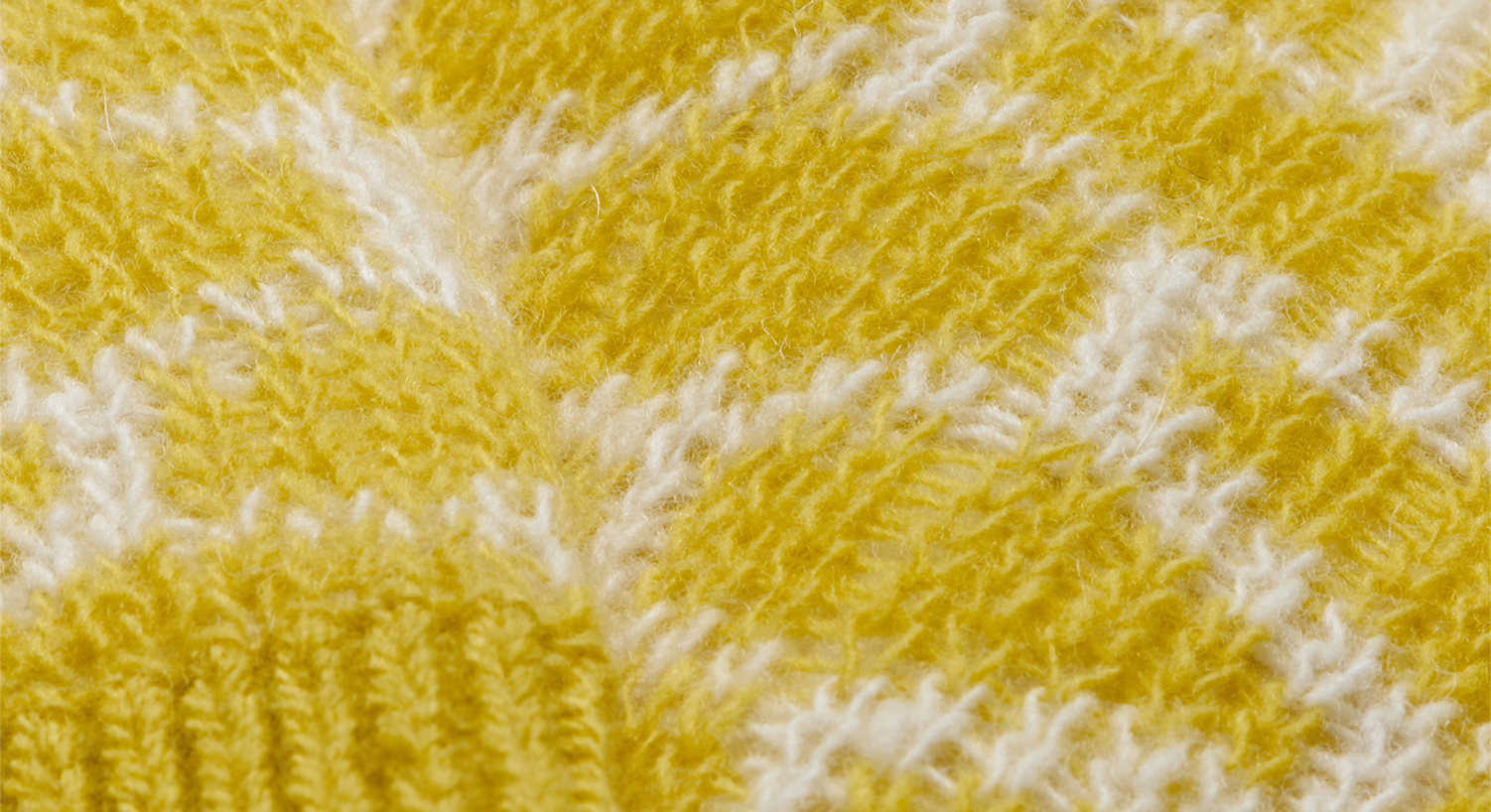
ANIMAL FIBERS
MAN-MADE CELLULOSIC FIBERS (MMCFS)
NEXT-GENERATION MATERIALS
Fossil-based fibers
Fossil-based fibers are still the industry norm but they’re harmful and increasingly unnecessary. Non-biodegradable and long-lasting, they shed microplastics throughout their lifecycle, polluting water, soil, and even entering our food systems.
At ARMEDANGELS, we believe the only real solution is to reduce polymers at the source. That’s why our guiding principle is simple: Nature Over Oil.
While a full phase-out isn’t yet possible, we only use fossil-based fibers when absolutely necessary primarily for elasticity or durability, keep it to an absolute minimum.
MATERIAL MIX 2025
In 2025, we continued our focus on increasing recycled and plant-based fibers, alongside next-gen alternatives. The result was 80.1% of our fiber mix being plant-based, up from 75.67% in 2024, comprising 59.57% organic cotton and 19.74% recycled cotton. On a further positive note, fossil-based fibers decreased in 2025 compared to 2024.
We aim to only used preferred fibers in our mix. For us, preferred fibers are those that demonstrably reduce impacts on climate, nature, and people compared to conventional alternatives. This includes virgin natural fibres — ideally organically grown — as well as recycled fibres, responsibly produced MMCF, and next-gen alternatives. The only non-preferred ones we use in the mix are virgin elastane and virgin elastomultiester.
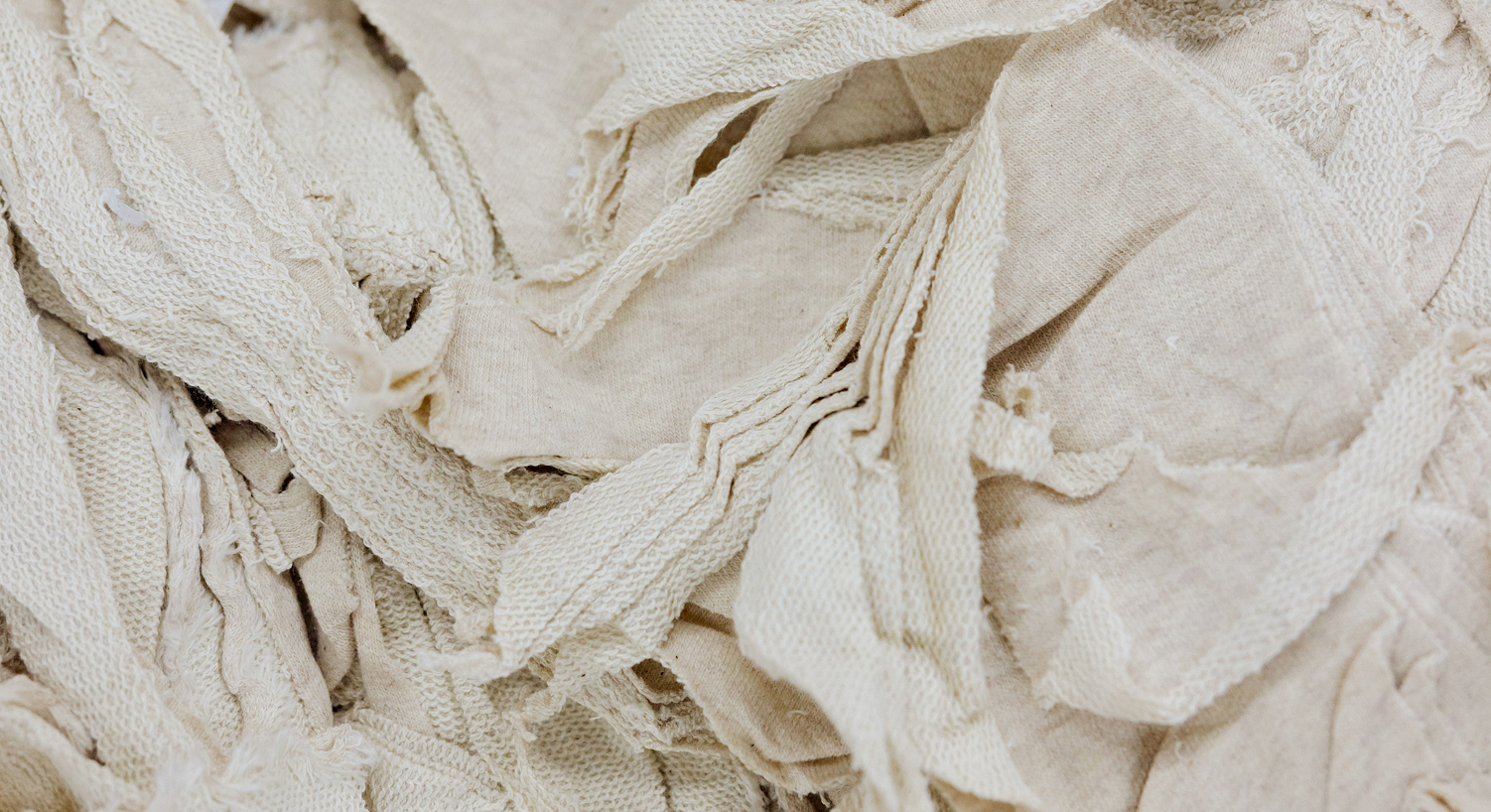
Recycled fibres remain a growing priority. Our recycled mix spans recycled cotton, wool and cashmere, alongside a small proportion of recycled synthetics. Next-gen alternatives also continued to grow in 2025, reflecting our commitment to innovation in material sourcing.
WHAT DID WE LEARN FROM OUR 2025 DATA
INSIGHTS FROM OUR 2025 MATERIAL DATA
NEW MATERIALS
Innovation doesn’t happen in isolation. It happens when we push boundaries, test new technologies, and partner with pioneers who share our vision.
In 2025, we introduced three groundbreaking materials that expand what’s possible in sustainable fashion. Each one addresses a critical gap, and we are excited about the potential of these game changing next-gen innovations.
SAXCELL® LYOCELL
NAIA™ RENEW
RCO100™
WHAT’S NEXT?
SAXCELL®
We were so excited to be the first brand globally to launch SaXcell®. Our Innovation and Circularity Manager Päivi sat down with Süleyman Kocasert (CMO), to discuss the partnership.
DESIGN PRINCIPLES FOR CIRCULARITY
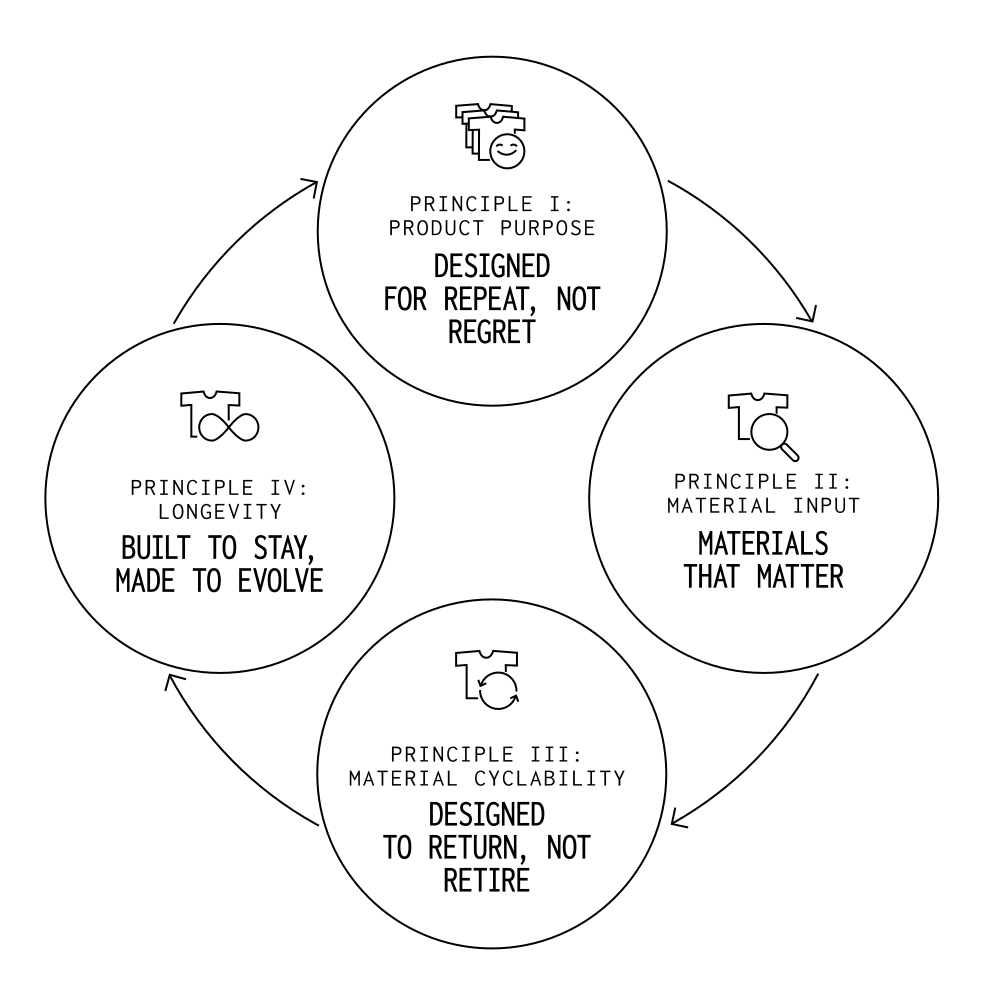
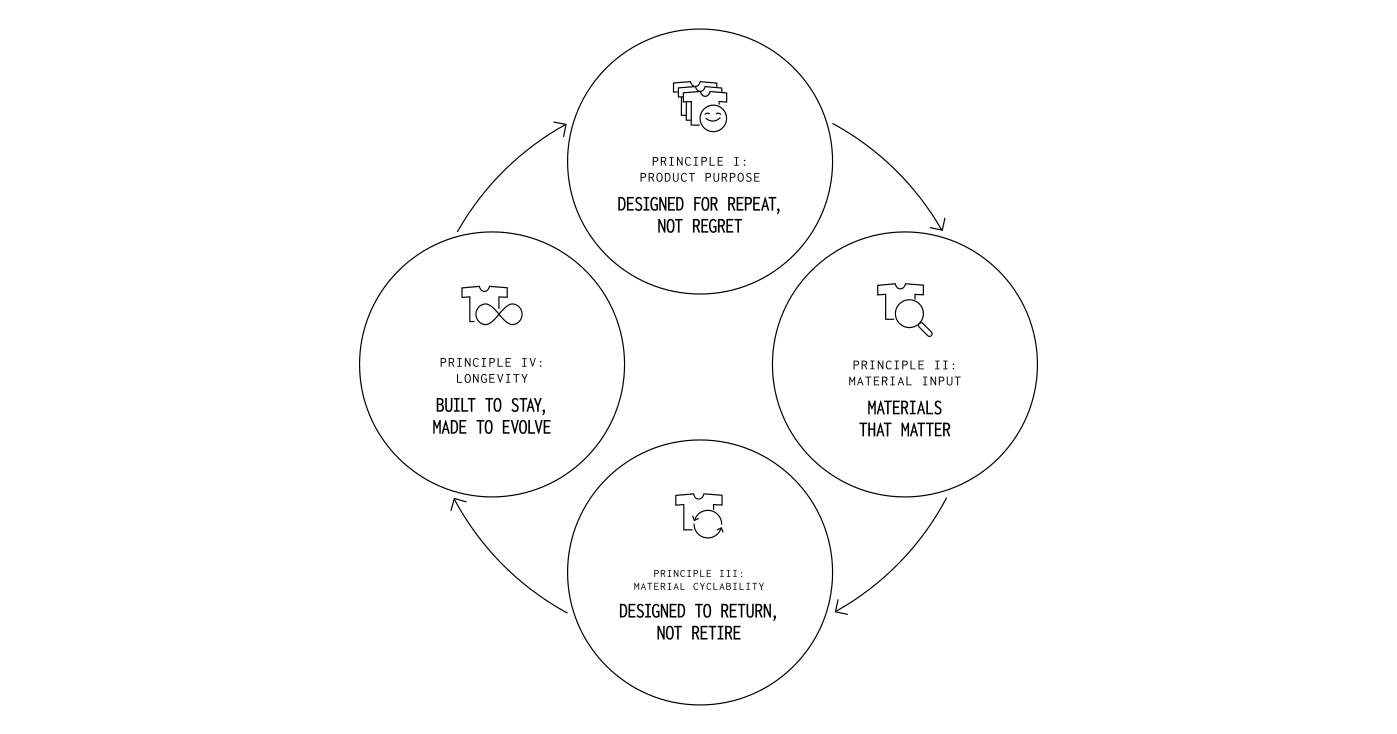
OUR DESIGN PRINCIPLES FOR CIRCULARITY
In 2025, we created and launched our Design Principles for Circularity. This landmark achievement fundamentally shifts how every garment at ARMEDANGELS is conceived, designed, and produced.
This is design-first, not take-back-first. Circularity starts on the drawing board, not in a warehouse full of returns.
Why? Because the numbers tell a stark story: less than 1% of textile waste globally is recycled into new textiles. The rest? Landfilled, incinerated, or polluting our oceans. The linear “take, make, waste” model is broken. Our mission to create a planet we’re proud to pass on demands a different approach, one where circularity addresses the full lifecycle of our products.
ARE WE DESIGNING FOR LANDFILLS?
We developed four principles aligned with the highest industry standards. These aren’t abstract ideals. The principles are supported by a design decision path, step-by-step guidance that helps evaluate and integrate circularity into new products. The principles were externally reviewed by circular.fashion.
OUR PRINCIPLES:
THE IMPACT: ALREADY TRANSFORMING HOW WE WORK
The Design Principles for Circularity have transformed how we create products, yielding both immediate organizational impact and breakthrough material innovations.
- 100% Team Adoption
We trained 100+ members of our team, from designers, to product managers, garment technicians, buyers, quality specialists and marketing, embedding circularity expertise across the brand. - Systematic Integration
100% of styles in Spring-Summer-Autumn 2026 were assessed against the Principles. No guesswork, no one-off capsule collections, but a framework applied throughout the whole collection. - Measurable Progress We Can Track
58% of 2026 styles are already ready for circularity, establishing a concrete baseline — with solutions identified for the rest. At our current output of ~2.5–2.6M units per year, this means approximately 1.5M units are now designed for higher-value end-of-life pathways rather than defaulting to landfill.
Each year, as integration deepens and expertise grows, we move closer to a future where circularity isn’t a milestone but simply how ARMEDANGELS operates.
“The goal of a successful company is always to keep inventory levels and excess stock low while avoiding stockouts. To achieve this, clear plans and guidelines are in place to continuously monitor inventory and sales volumes. In 2025, we focused on increasing our full-price sell-through rate and shifting towards a more flexible re-order approach to better respond to market demand.”
Isabel Lonac, Strategic Advisor CEO Product & Merchandise
DEADSTOCK AND PRODUCTION VOLUMES
Deadstock is the fashion industry’s dirty secret: clothes and fabrics that never make it to consumers, sitting in warehouses or ending up destroyed.
The scale is staggering: billions of garments are produced each year that will never be worn, representing massive environmental and financial waste.
At ARMEDANGELS, we’re tackling this head-on through transparency about our production volumes, setting targets to reduce overconsumption, and focusing in 2026 on improving wholesale forecasting (which comes with bigger uncertainty compared to store and ecommerce channels).
PRODUCTION VOLUMES DISCLOSURE
Part of this conversation is the topic of production. We are in the second year of our support to the “Stop Waste Colonialism: Speak Volumes” campaign, which is helping to shed light on the harmful effects of fast fashion, particularly how its waste and exploitation hits communities in the Global South the hardest. The campaign pushes brands to have transparency on their production volumes to drive accountability and change.
In 2025, we produced 2,593,779 pieces.
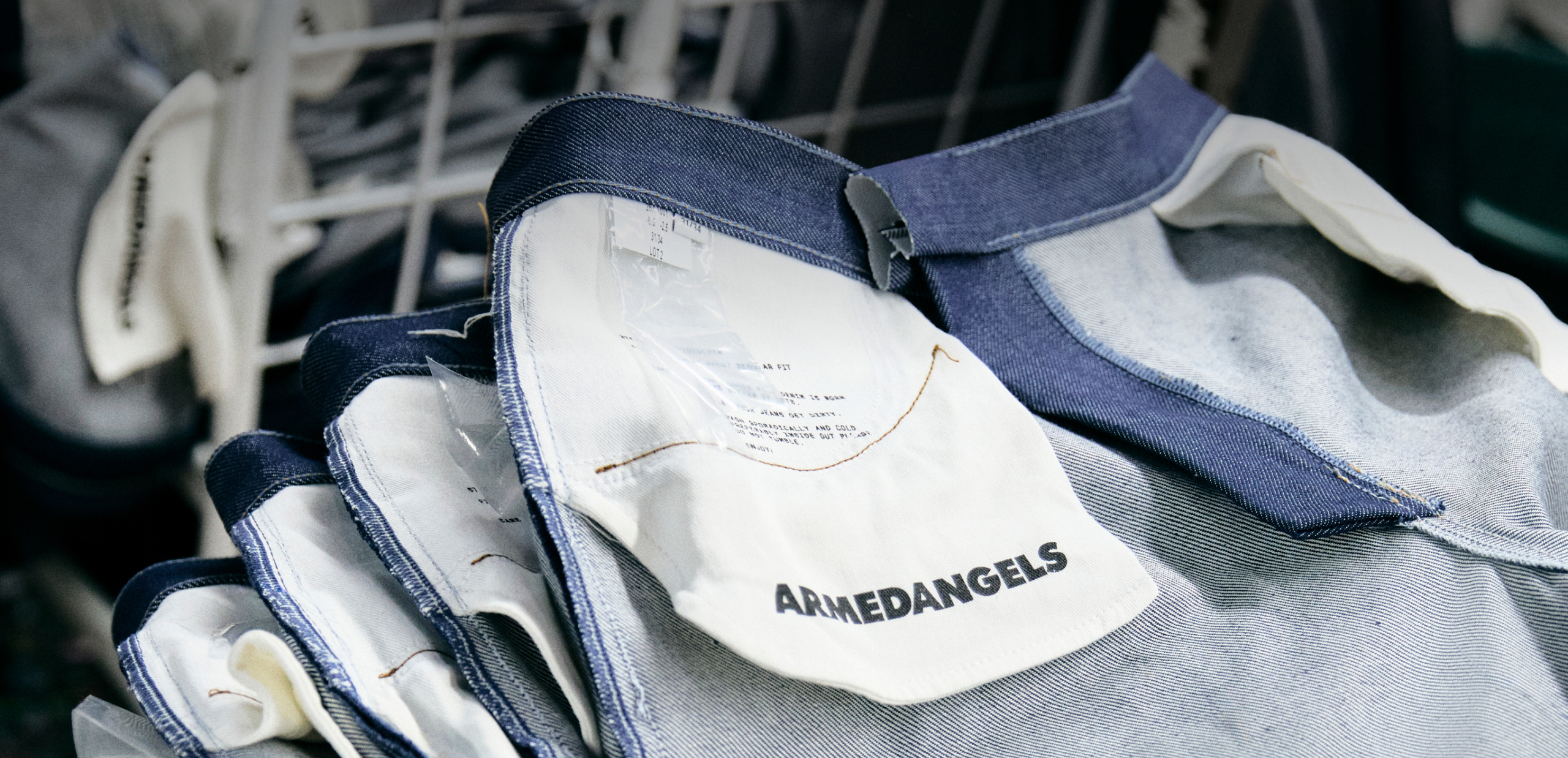
Our answer to conventional denim’s toxic production. Without harmful chemicals or pesticides.
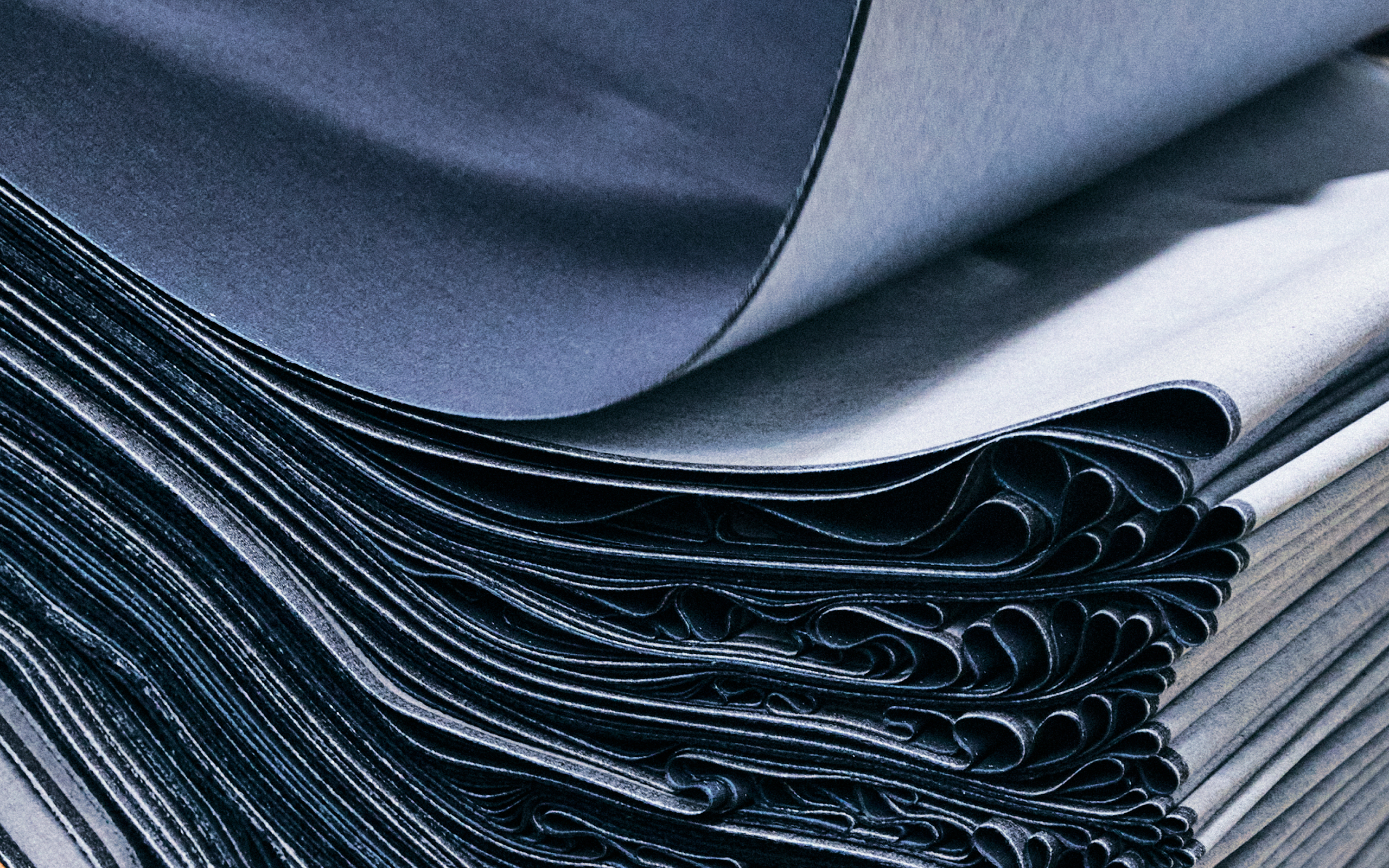
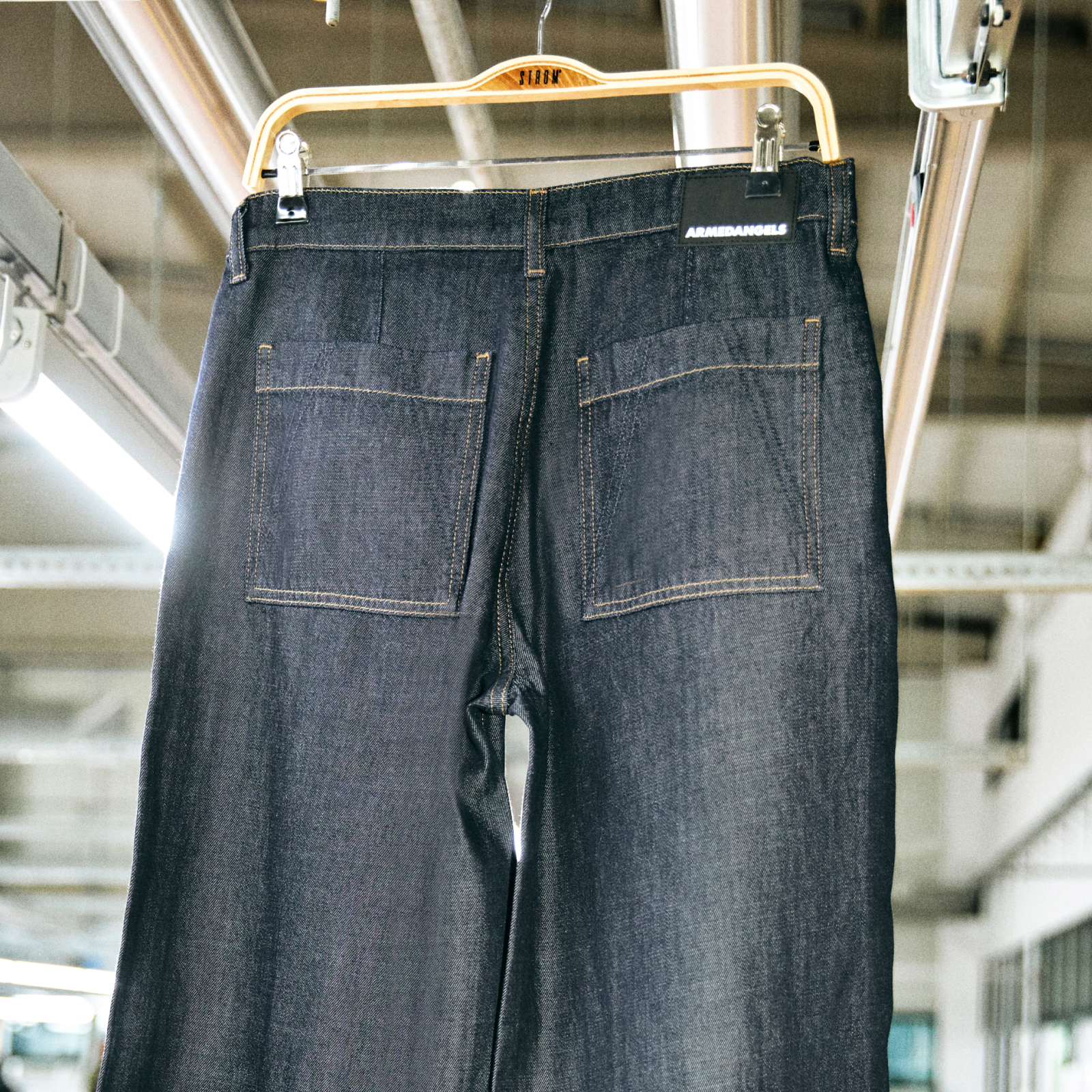
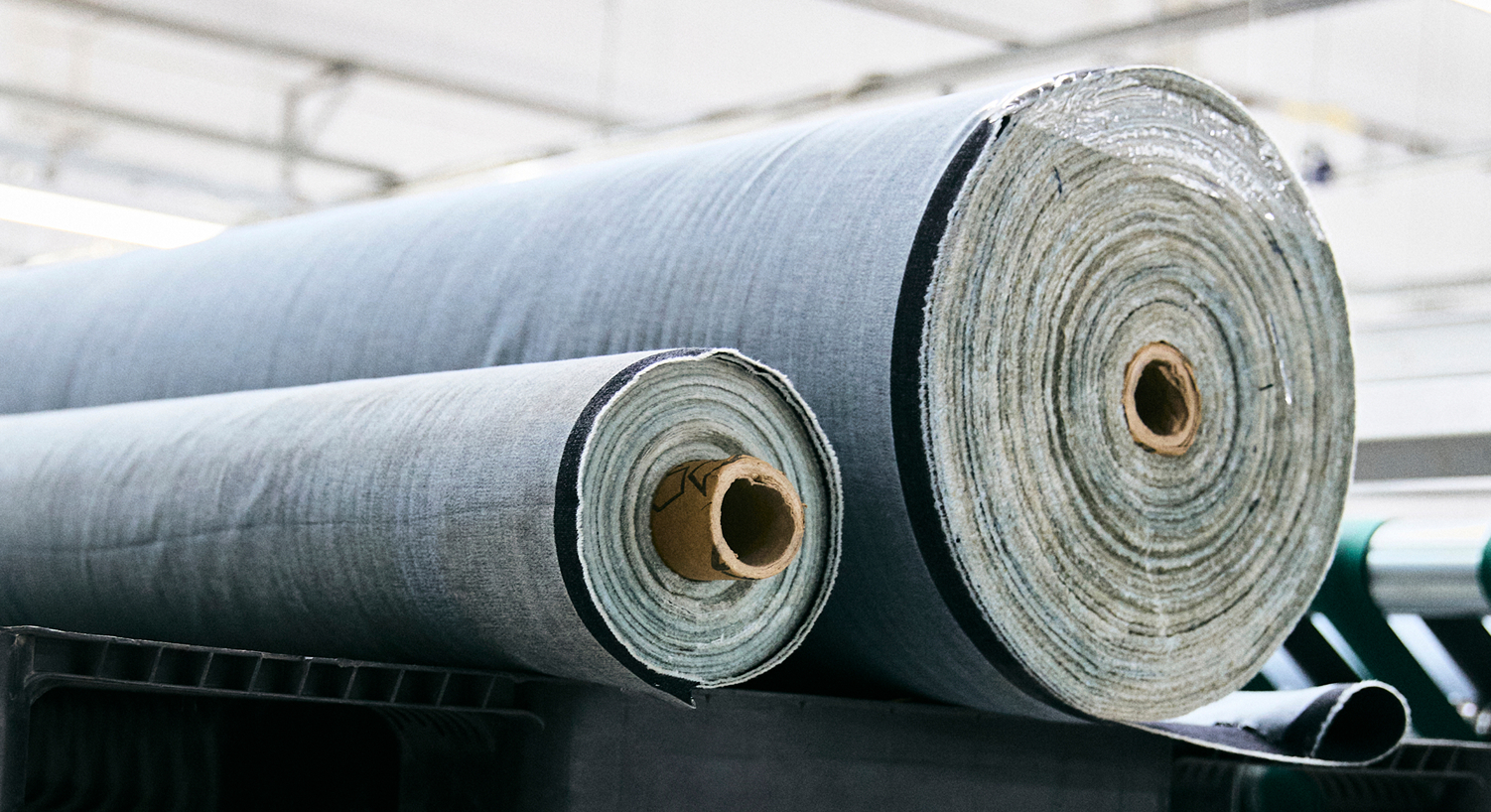
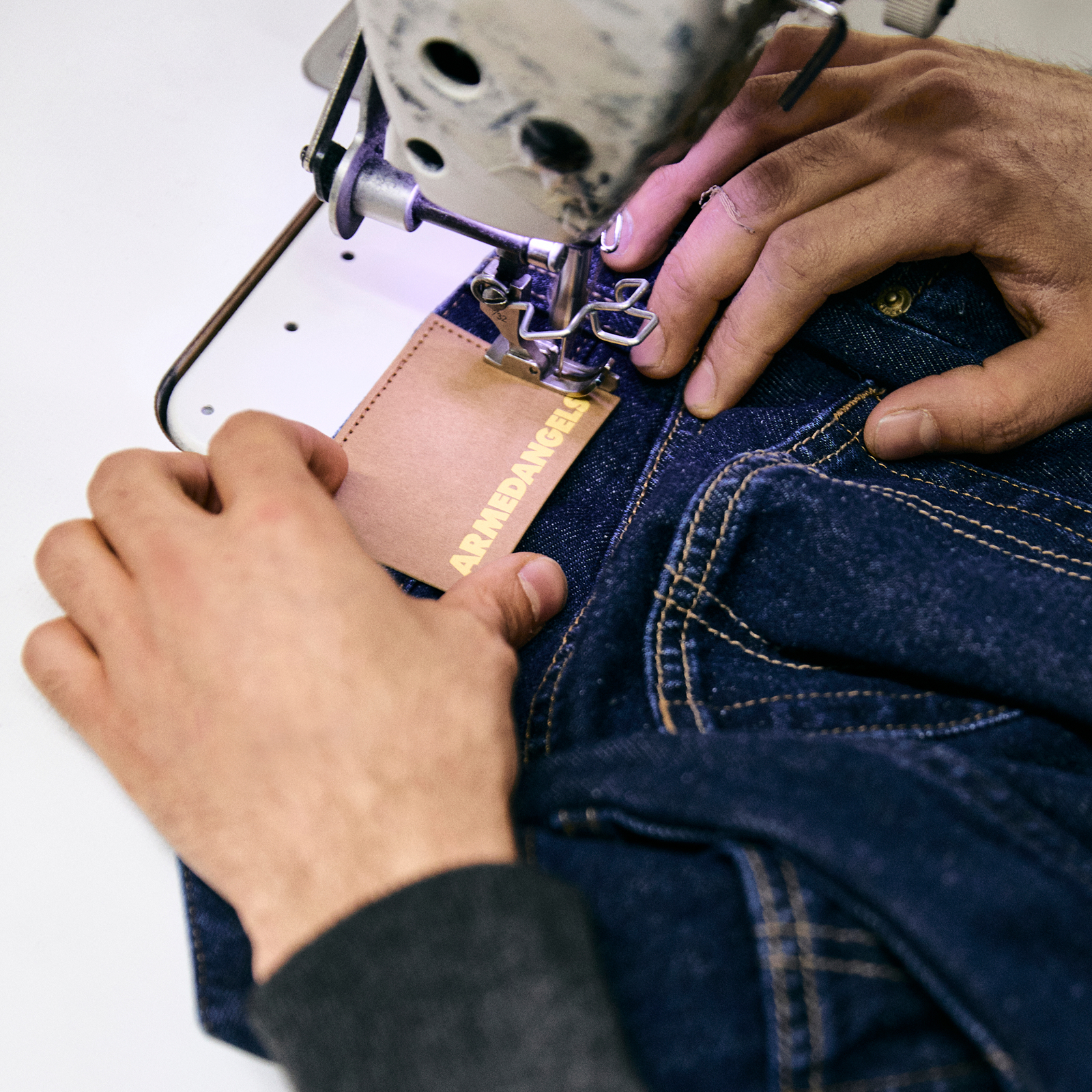
Since its launch in 2018, DetoxDenim has improved and expanded year after year, becoming one of our flagship product lines and an example of everything ARMEDANGELS stands for. The mission was simple: design denim that strips away everything toxic about conventional practices — the harmful chemicals, questionable labor practices, and wasteful production.
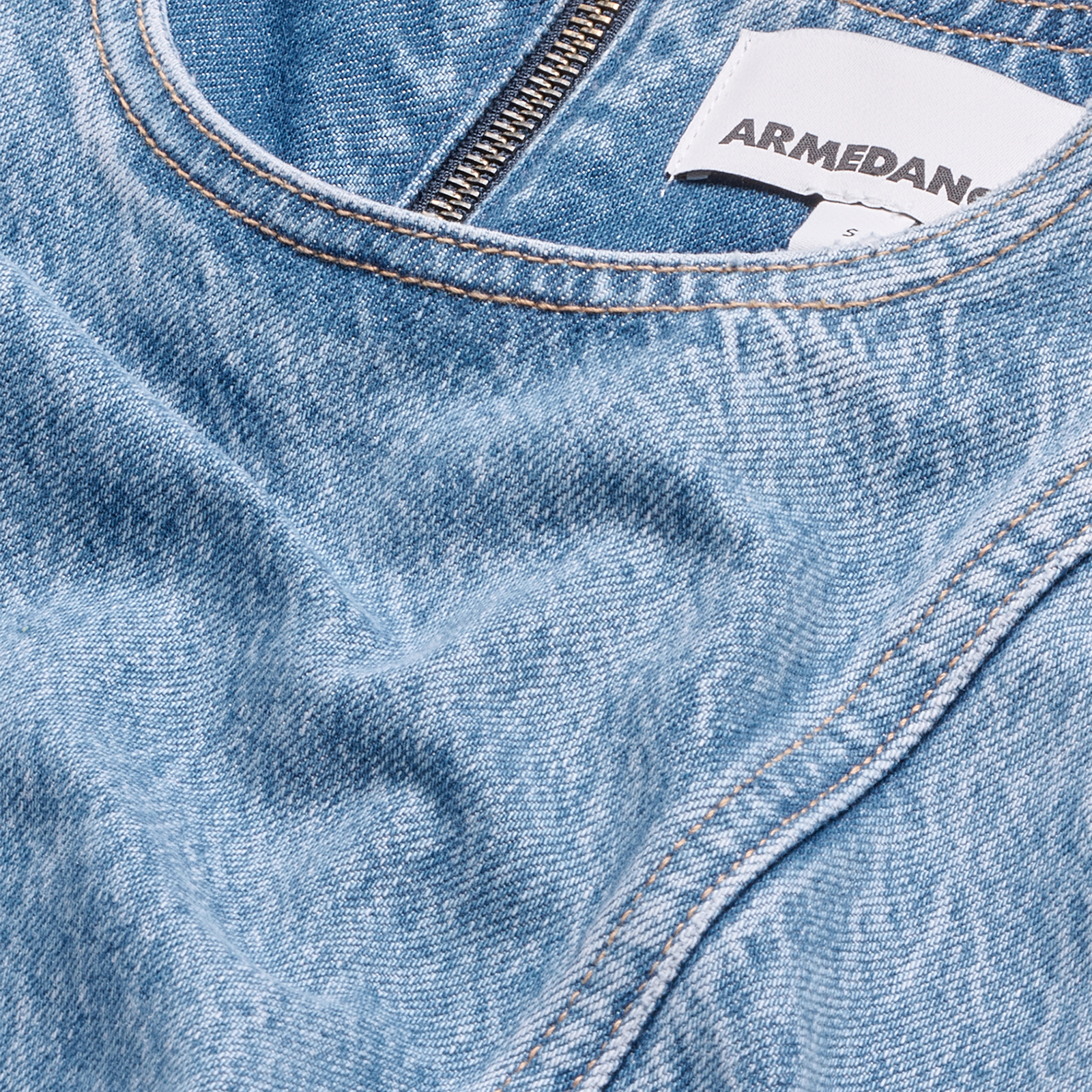
In 2025, DetoxDenim continued to evolve in line with our broader material ambitions. Recycled content increased from 50.58% to 59.53%, reflecting our wider push to scale recycled fibers across the range. By increasing recycled content, DetoxDenim reduced its carbon footprint by 4.8% compared to 2024, making it the category with the lowest carbon footprint per kilogram of product.
We also introduced SaXcell® into the denim line — bringing our global-first next-generation material into one of our most established product categories. And with the launch of our Touch Nothing Toxic campaign, we took the DetoxDenim philosophy beyond the garment itself, challenging people to leave behind everything toxic in their lives — from the dirty practices of the denim industry to fake personas, expectations, and false truths.
WHAT MAKES DETOXDENIM DIFFERENT?
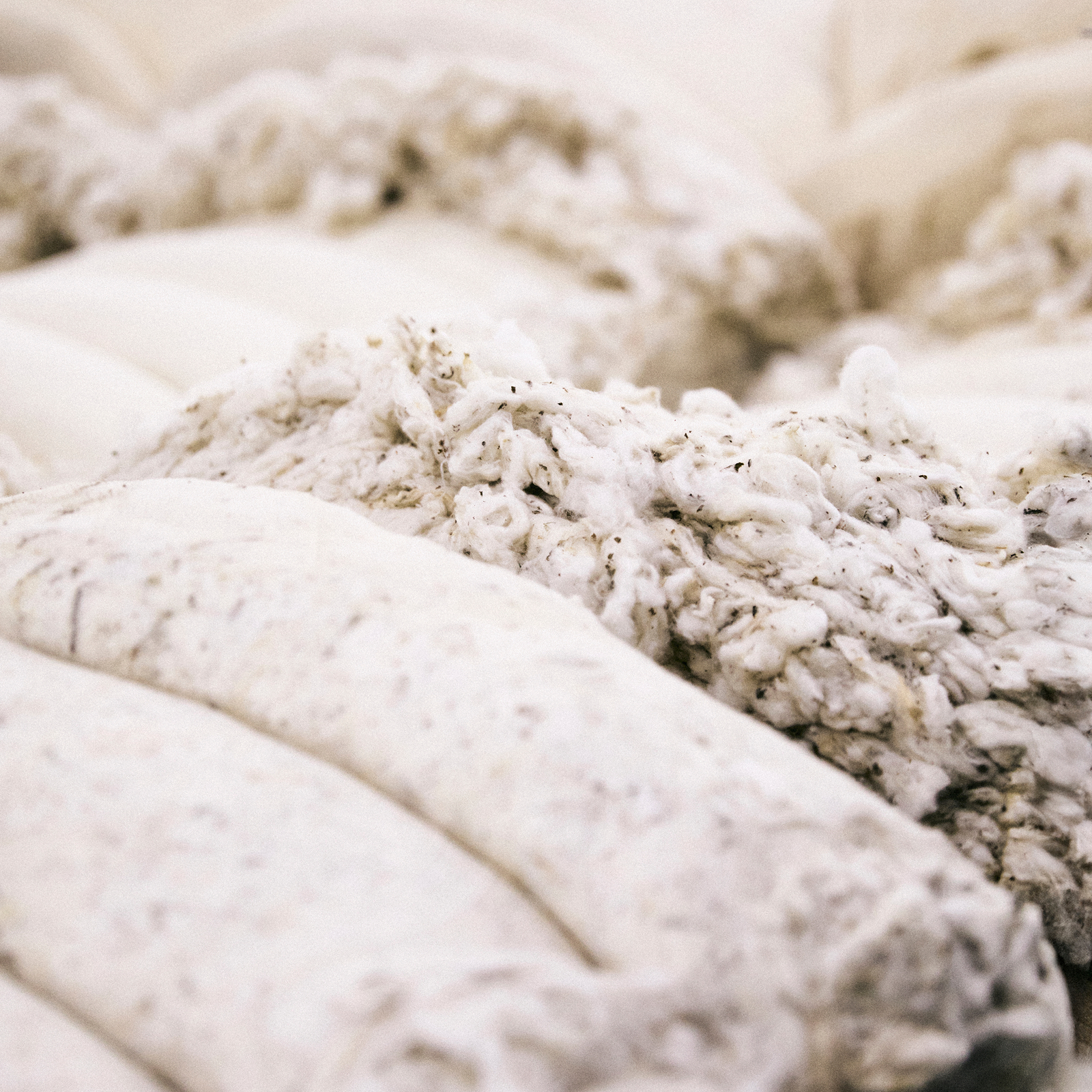
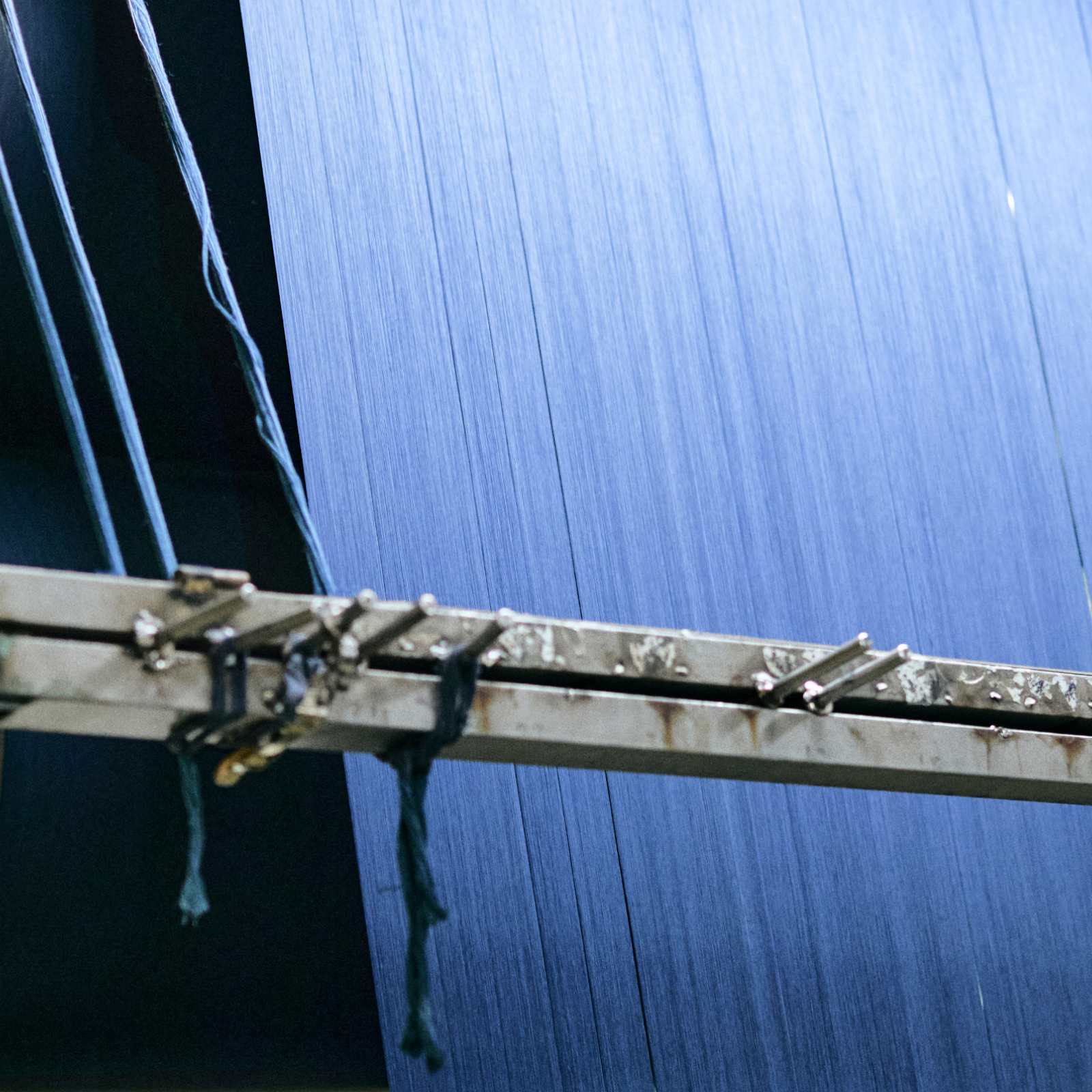
BETTER MATERIALS
CLEANER PRODUCTION

FINISHED WITH CARE

MADE TO LAST
SEAMLESS UNDERWEAR
DESIGNING OUT WASTE, DESIGNING IN COMFORT
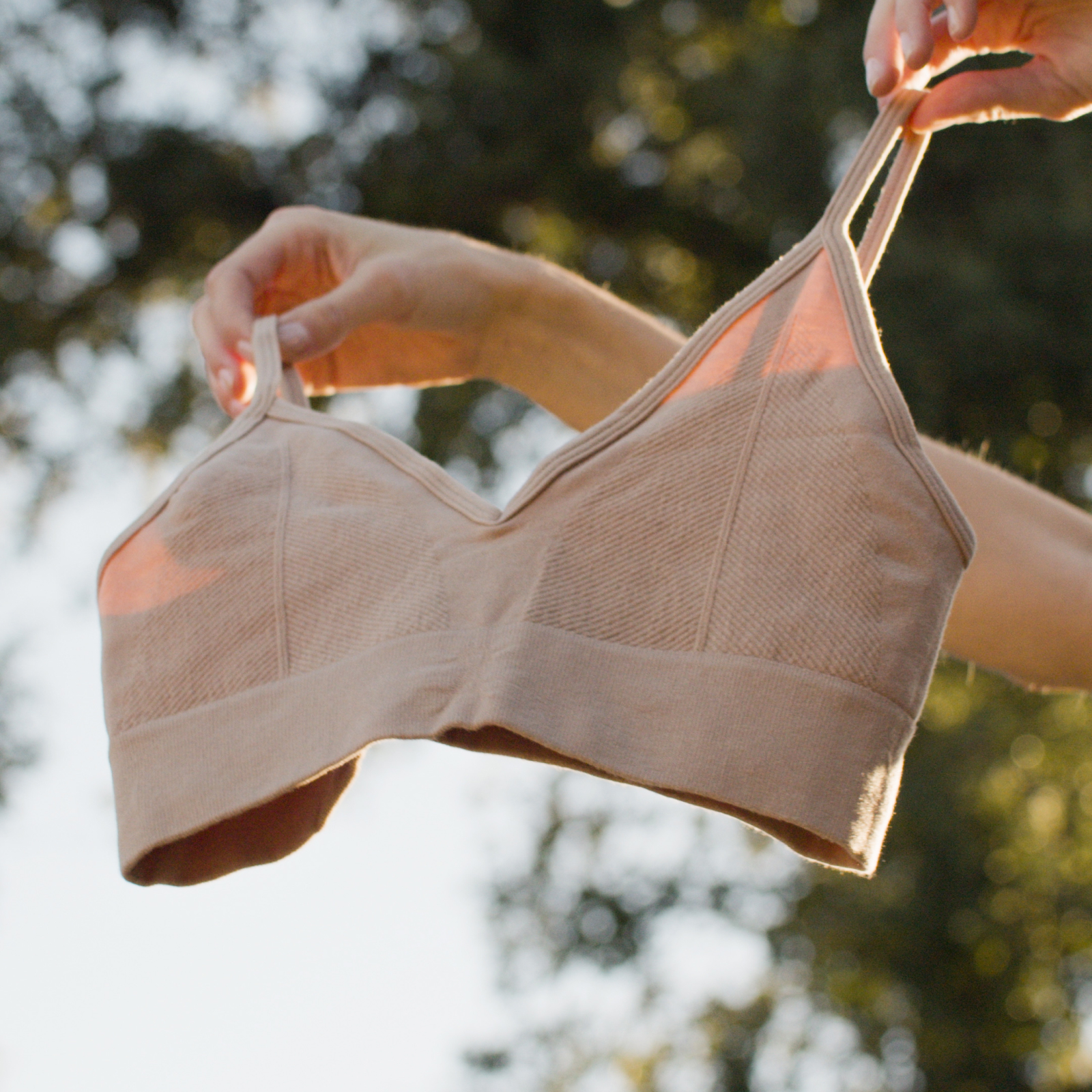
In 2025, we launched a new underwear line that rethinks what basics can be, focusing on support, seamless construction, and essential comfort. The first thing you wear, the last thing you think about. Underwear as ritual, not restriction.
3D KNITTING
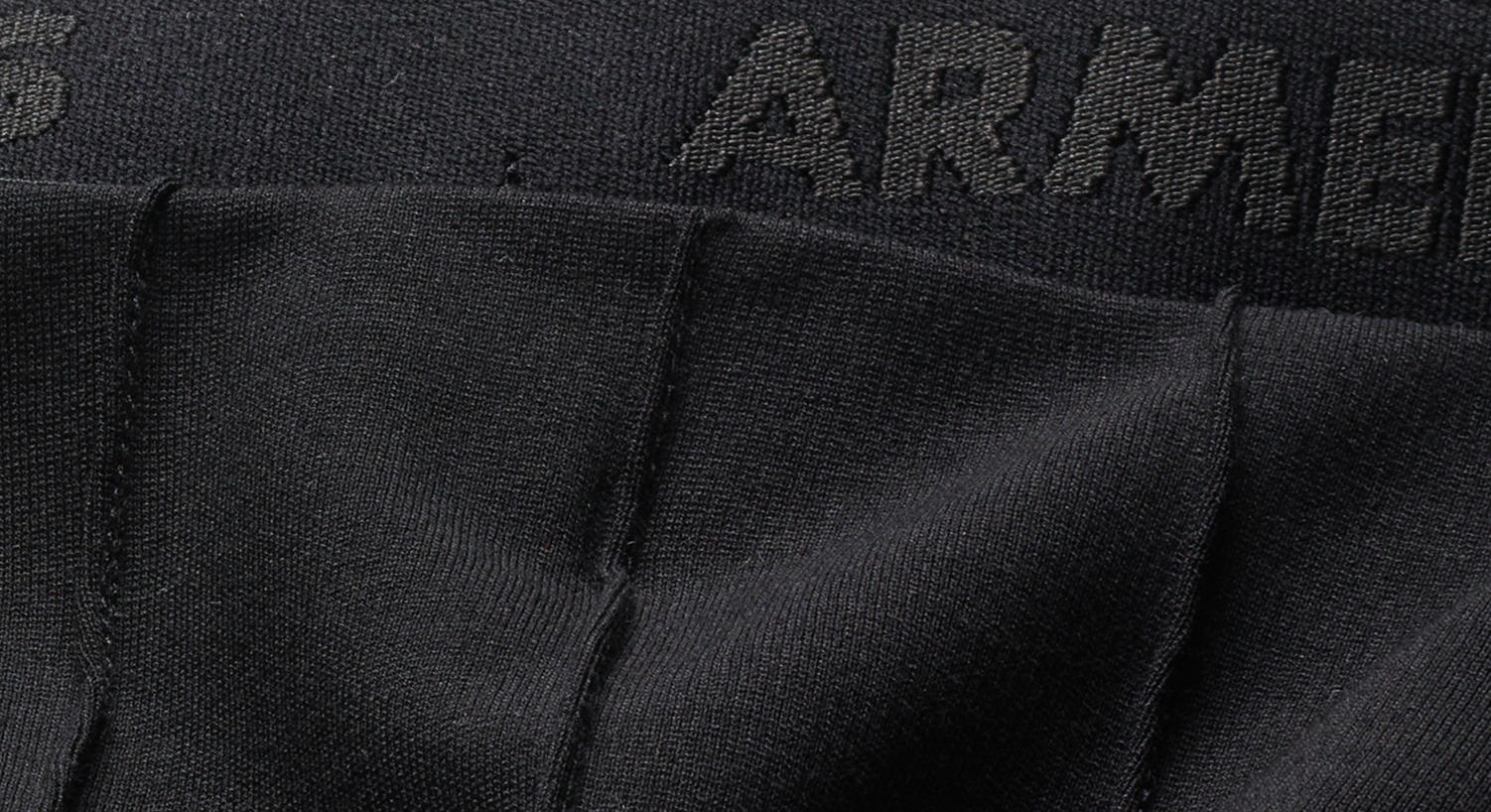
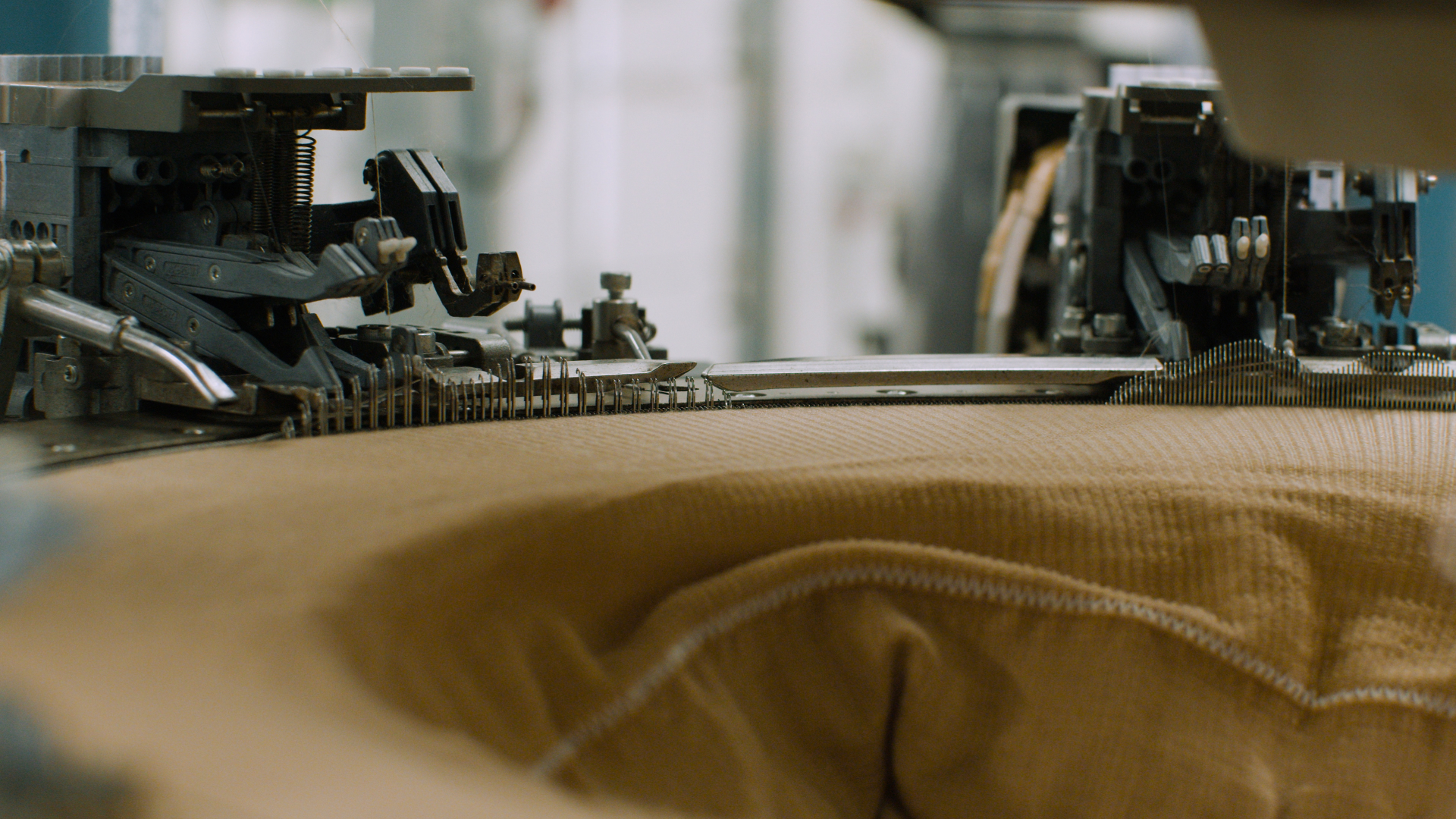
Each piece is knitted directly into shape through a 3D knitting process. Instead of cutting pieces from flat fabric, we knit them into their final form, creating minimal waste. Our shorts went from 11.47% waste in traditional cut-and-sew to 0%. Our bras dropped from 26% to 10.42%.
MATERIAL
The fabric is 95% TENCEL™ Lyocell, a fiber derived from responsibly sourced wood, and 5% elastane. We include a minimal amount of elastane because it provides the stretch and recovery that makes these pieces actually work: flexibility, comfort, and durability you can feel. The result is a breathable soft fabric with no wires and no unnecessary trims. Just comfort and support that adapts to your body.
REFLECTIONS
We are really proud of this launch. We reduced waste through smarter manufacturing while creating products that actually feel better to wear. Environmental outcomes and product outcomes, working together.